


One day, a friend asked me: can I eat junk food sometimes? I answered him: it is possible, but only according to the “Pareto principle”, which is the 20/80 rule of the Italian economist Vilfredo Pareto (Vilfredo Frederico Damaso Pareto). As it turns out, this pattern applies to all areas, including nutrition. Eat healthy foods as often as possible (at least 80 percent of the time), but also enjoy less healthy foods from time to time (20 percent), and still lose weight.
The principle is simple: as long as you make sure to eat healthy in 80% of the menu, success is certain. When the menu is considerate and allows “small pleasures”, it is possible to succeed. This nutritional principle makes it possible to maintain achievements and complete the task, even on an extreme diet.
At the same time, I tried to give a slightly more precise answer about the possible outcome. Can a few days a month on which we allow junk food, “forbidden foods”, or an occasional wild meal, harm our health and interfere with the process of losing weight or balancing sugar?
Defining “junk food”
Any food defined as processed, high in calories, low in nutrients, and rich in sugars, salts and trans fat. Some define addiction to fast food as an addiction like alcohol and drugs.
“Fast food” is food that is quick to prepare and is eaten quickly, burdens the digestive system and leaves harmful residues in the blood vessels, the digestive system, the liver and the rest of the body.
Although in recent years there has been awareness in fast food chains about food quality, the harm still outweighs the benefit.
The cumulative damage of eating fast food over time
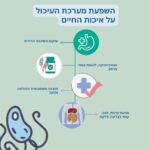
The long-term effect of eating fast food over time causes weight gain, emotional instability and even a tendency to depression. In addition, “junk food” causes digestive problems, heart disease, stroke, type 2 diabetes, cancer and may even cause early death. And of course, the frequency of fast food consumption is of great importance.
Studies conducted in several countries on fast food consumption and its effect on health show that those who eat fast food up to twice a week have a slight effect on heart health and increase the risk of obesity. Those who consume fast food more than twice a week are already climbing in risk level and may even develop type 2 diabetes, high blood pressure, abdominal obesity, high cholesterol and heart disease. The fact that in the Western world half of adults eat fast food increases the number of patients by tens of percent every year.
Short-term effects of junk food
Our view and assessment of the damage is short-term. Usually we do not think about the long-term harm to the body.
A few days of careless eating are enough to harm metabolism and cause a feeling of fatigue. In a study conducted on about twenty men aged 30-37, it was found that after 5 days of eating fast food, muscle capacity and the body's ability to turn sugar into energy for muscle function were impaired, even though the number of calories was no different from other days. Such a diet over time may cause a decrease in insulin's ability to move sugar to the muscles and in fact lead to type 2 diabetes at a young age. Another effect seen in the study was severe constipation and the use of laxatives, due to a lack of dietary fiber.
One junk food meal
One “junk food” meal a week can already lead to narrowing of the arteries, a certain rise in blood pressure, and a rise in insulin levels that leads to weight gain, and to a feeling of fatigue and hunger after a short time. One portion is enough to increase the production of inflammation in the body, and moreover, in asthma patients there is an increase in the production of inflammation in the lungs, which may lead to more frequent asthma attacks.
Balance in a healthy meal
The amount of inflammation and the increase in oxidation created by free radicals that burden the body in one meal will easily be balanced if on all the other days we eat healthy foods. The body's ability to clear and restore itself increases with every healthy meal. When we keep the 20/80 rule, we will maintain balance and even strengthen the immune system and the other functions of the body.
So, if you want to enjoy junk food sometimes, try to stay within the 20% range. This rule suits any other harmful habit or addiction, such as smoking or alcohol, which I recommend avoiding as much as possible. As long as we keep this rule and add physical activity together with quality nutrition, these sins will not do harm. It is enough to add activity for half an hour 3 times a week and to make sure to eat legumes, nuts, fish, fruits and vegetables; we will allow the body to function properly and avoid diseases.
Now that this simple rule of Vilfredo Pareto is clear to us, no diet or task for improving health will be difficult. The aim is to keep to 20/80 and to try to improve and maintain weight and health according to our abilities.