


The term "sensitive bowel" is often used as another name for irritable bowel syndrome (IBS). The name comes from the symptoms that occur frequently and come together with emotional stress or anxiety.
In recent years the problem has become very common and widespread, and the percentage of people suffering from it has grown. The well-known symptoms are: abdominal pain, gas, cramps, bloating, constipation and diarrhea.
The reasons for developing a "sensitive bowel"
Unfortunately, doctors have not yet identified the exact cause of the condition, but they agree that the symptoms are related to a variety of problems, both physical and emotional.

These are the main risk factors: anxiety, depression, trauma, stress and emotional instability for any reason. These problems are often accompanied by problems in the digestive system. The bowel's reaction to depression, constant stress or panic may also appear as a one-time event, depending on personal resilience, both physical and emotional. You may have experienced such an event yourself, and if not, then surely someone around you suffers from the problem. Sometimes the stomach suddenly twists, and there is an urgent need for the toilet at a crucial moment. For example, before going on stage, an important exam or an important conversation with the boss.

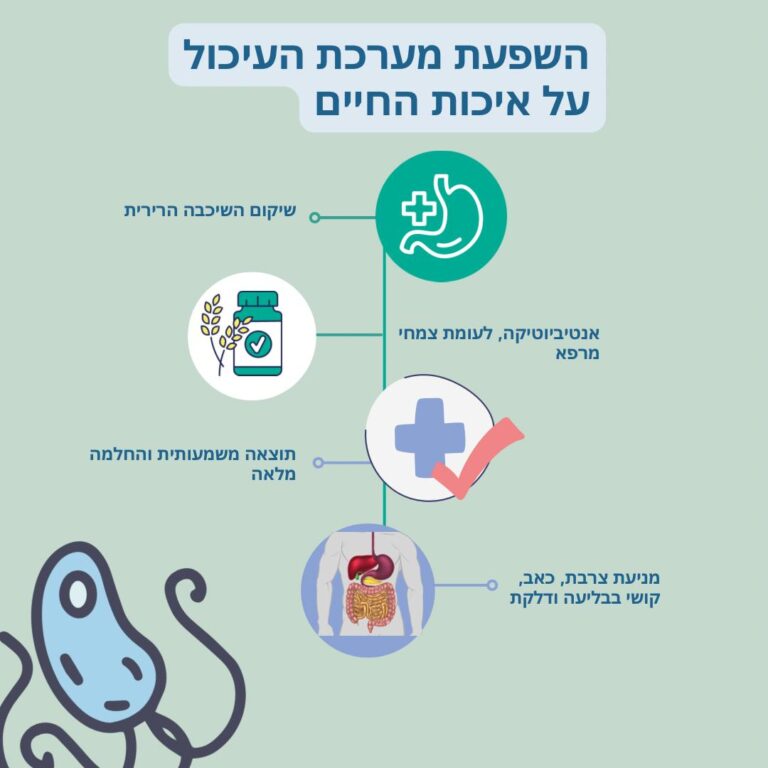
• Intestinal infection Bacteria that normally inhabit the digestive system can, under certain circumstances, trigger inflammation. Especially if a person suffers from an imbalance in the population of bacteria living in the digestive system. In this case, bacteria such as Helicobacter pylori (Hellicobacter Pyllori) or E. coli (E. Coli).
multiply, and in fact disrupt the delicate balance of the digestive system. The increase in the number of bacteria in the stomach can cause diarrhea, gas, and sometimes poor absorption of food and rapid weight loss.

• Disruption of the nerve connections between the gut and the brain The brain and the gut have a direct connection through one of the most important nerve channels, the vagus nerve. When we experience stress or anxiety, this nerve immediately stimulates the intestinal muscles and causes a digestive disturbance. Therefore, when there are disturbances and malfunctions in the nerve connections, the brain loses the ability to properly regulate the activity of the digestive system.
• Motility problems Accelerated motility can trigger diarrhea, and slow movement may lead to constipation. A feeling of sharp abdominal pain may come from a sharp contraction of the muscles.

• Poor nutrition Nervous stomach symptoms may appear if there is difficulty eating normally. Naturally, the body copes, but with sensitivity to certain products such as lactose or fructose, or a diet made up of overly spicy, fried and fatty foods, it will always end with digestive problems. Any food that causes fermentation, for example baked goods and sweets, alcoholic and carbonated drinks, fast food, French fries, etc., is dangerous for the intestines.
How to treat a nervous stomach
Before treating the digestive system, it is important to determine the cause of the disturbance in order to choose the right treatment. In most cases, irritable bowel can be healed at home and naturally, and of course by changing and improving your lifestyle.

• Try medicinal herbs There are many medicinal herbs and over-the-counter herbal products that can calm and improve the function of the digestive system. Some herbs help relieve spasms and inflammation, while others help cleanse the body of bacteria. But the most effective way is to choose specific herbs tailored to the characteristics of your body.
• Improve your diet Eat foods rich in fiber, probiotics, whole grain bread, bran, legumes, vegetables, fruit and nuts. It is sometimes recommended to take special fiber or probiotic supplements.
• Reduce portion size Especially before a festive meal. Your digestion may become difficult, and that in itself can cause abdominal pain and a nervous stomach.
• Drink more fluids, mainly water. Eat more vegetables. If your problem is ongoing constipation, pay attention to how much you drink. It is important to remember that an adult is advised to drink at least 1.5 liters a day and to add fresh fruit and vegetables.
• Take your emotional state seriously Pay attention to your daily stress level. Constant nervous tension is dangerous for the whole body and often leads to serious diseases (diabetes, stomach ulcers, etc.). Regular physical activity, yoga, tai chi, breathing exercises or walking help balance the nervous system. You can look into stress treatment with the help of a psychologist or therapist. But don't just sit back and do nothing: the digestive system will express its protest and, in fact, give you a warning.