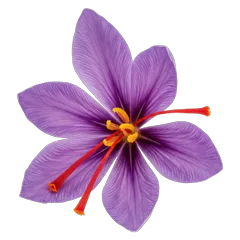
Saffron is the dried flower stigmas of the saffron crocus, a precious spice traditionally used to lift mood and studied in mild to moderate depression.
What is the plant
Saffron crocus (Crocus sativus) is a corm-forming plant in the iris family (Iridaceae), native to Southwest Asia. Commercial saffron consists of the dried stigmas of the flower, which is why it is considered the most expensive spice in the world. Its four main active components are crocin and crocetin, responsible for the color, picrocrocin, responsible for the bitter taste, and safranal, responsible for the aroma.
Plant parts used
The dried stigmas (saffron threads), whole, as a powder or as a standardized extract in capsules.
Traditional use
Beyond its culinary use as a spice and a coloring agent, saffron has been used in traditional medicine, among other things, to improve mood and to treat depression.
What the research says
A 2018 meta-analysis that included seven controlled trials in adults with mild to moderate depression found that saffron improved symptoms more than placebo, and compared with antidepressants the results were similar. The common dose in the studies was about 30 mg a day for about six weeks. However, the researchers note important limitations: a small number of short trials, all from Iran and most from the same research group. This is therefore interesting but preliminary evidence, and saffron should not be seen as a substitute for treating depression. Laboratory and animal studies are also examining anti-inflammatory and antioxidant effects, but these have not yet been proven in humans.
Safety and interactions
- Side effects in studies: changes in appetite, anxiety, headache and nausea. No serious side effects were reported, and the risk was no higher than with placebo.
- Dose: in food amounts saffron is safe. Doses of up to about 1.5 grams a day are considered safe, while doses of 5 grams or more have been reported as toxic.
- Pregnancy: in doses higher than food amounts, saffron has a stimulating effect on the uterus, so avoid using it as a supplement during pregnancy.
- People taking antidepressants or suffering from depression should consult a doctor before use.
In summary: saffron is one of the most interesting plants in mood research, with several controlled trials and encouraging results. However, the evidence is still based on small, short studies, and it should be used at accepted doses and in coordination with a healthcare provider.
Formulas with this plant