Celery is a plant in the carrot family whose seeds are used in traditional medicine as a diuretic, to relieve digestive complaints and to support the joints.
What is the plant
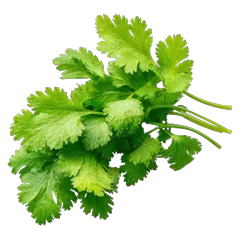
Celery (Apium graveolens) is a biennial plant in the carrot family (Apiaceae). It has shallow, thickened roots, branched and grooved stems, pinnate leaves and small white or greenish white flowers. Celery is known as a common vegetable, and alongside this its seeds are used as a spice and a medicinal herb.
Plant parts used
The main medicinal part is the dried ripe fruit, known as the "seed". The seeds are aromatic and contain, among other things, apigenin, apiin, chlorogenic acid and caffeic acid, bergapten, and an oil containing sedanolide and limonene.
Traditional use
In traditional Arab and Islamic medicine, celery (karafs) was used to relieve spasms and stomach complaints, and as a diuretic, laxative, sedative and carminative. It is also mentioned in connection with joint problems and increasing breast milk.
What the research says
A 2017 scientific review (Pharmacognosy Reviews) summarizes activities found mainly in laboratory and animal studies: liver protection in models of liver damage, antioxidant activity, and reports of anti-inflammatory, analgesic, anti-ulcer, cholesterol-lowering and blood sugar effects. The strength of the anti-inflammatory activity was found to be about seven times lower than that of the drug indomethacin. The researchers note that the active compounds still need to be isolated and characterized, and that the review does not include any clinical evaluation in humans.
Safety and interactions
- Celery is considered safe in normal food use.
- Allergy: celery contains allergens that may cause a severe allergic reaction, including anaphylaxis, in sensitive people.
- Pregnancy: it is advisable to avoid medicinal use during pregnancy due to reports of uterine stimulating activity.
- Thyroid: isolated cases of thyroid overactivity have been described after prolonged consumption of dried celery leaves or celery extract powder, which resolved when use was stopped. The researchers recommended that people with an overactive thyroid not use celery extract.
- Most of the evidence comes from laboratory and animal studies; people taking regular medications are advised to consult a doctor before using concentrated preparations.
Formulas with this plant