


About 60% of women will suffer from cystitis at least once in their lives, and in 25 to 50% of cases the infection comes back again and again. In some cases the infection can be treated and life continues without complications. Problems in the healing process may arise from neglect or a weak immune system.
The main symptoms are
frequency and urgency of urination without a clear need, pain and burning, pressure in the lower abdomen, sometimes accompanied by fever. The color and smell of the urine may change, and blood may even appear in the urine. The phenomenon in Israel grows every year, and that is only based on the patients who come to the clinic; there are probably many more who do not get treatment. Cystitis is an inflammation in the lower pelvic area, and it does not spread to the upper urinary tract if it is treated in time.
Pathogens and causes

One of the common causes of the condition is the bacteria E.colo .Proteus mirabilis
Seen in urine cultures in 80% of cases, they are harmless and are found in the lower part of the intestine. But when they reach the bladder for hygienic reasons and multiply, inflammation develops.
There is also non-bacterial cystitis, which may occur under the influence of chemicals, medications, stress, hormonal disorders or surgical interventions.
However, one of the causes of urinary tract infection is sexual intercourse. There are several reasons for this:
The first is the urethra, which may become irritated by sexual activity. This is especially true when there has been a long break in sexual activity, the act lasts a long time, or the woman's vagina is not well lubricated. Some women have found that certain positions during intercourse are the cause of bladder irritation and in fact of the infection.
Some women know for certain that after intercourse a bladder infection will follow within a day or two. But if the symptoms do not go away for several days, it is probably a bacterium causing the infection. About 80% of bladder infections are caused by bacteria that travel from the anus to the urethra and from there to the bladder as a result of sexual activity.
60% of urinary tract infections occur or worsen after intercourse. The reason for this is irritation and mechanical pressure on the vaginal walls, damage to the microflora, pressure on the bladder or hormonal imbalance. But these causes usually arise against the background of a weak immune system that is unable to withstand pathogens.
Treatment
The most common cause of cystitis is infection, and the only treatment the doctor will give is a prescription for antibiotics. This is the most common treatment for cystitis. But unfortunately, antibiotics do not solve the problem and the infection comes back again.
Why does cystitis come back?
There are several reasons for recurrence
Weakening of the body: under the influence of antibiotics, the good bacteria that support the immune system are harmed along with the bad bacteria. In fact, the treatment weakens the immune system, and the infection comes back.
Bacterial mutation. Under the influence of the chemicals (the drugs), bacteria change and develop resistance to antibiotics, with the ability to move easily through the urinary tract using a molecular motor, flagella, which allows free movement and even the possibility of reaching the kidneys.
Incomplete treatment. Even after treatment and recovery, the symptoms may disappear, but the pathogen remains in the bladder area and even grows stronger, and the infection may break out again with intercourse.
Natural treatment

An effective alternative for treating cystitis is medicinal herbs. There are many plants that can eliminate the bacteria. Medicinal herbs deal with a variety of bacteria such as E. coli . Proteus mirabilis
Among the plants that fight inflammation and bacteria are: Nigella Sativa, Barosma betolina, with the ability to eliminate the pathogen, but without causing damage to the tissue and mucous layer of the bladder.
The plant that supports the restoration of the urinary mucosa is Althaea Officinalis. The plant restores the bladder walls and allows the body to regenerate the tissue. A treatment method that combines medicinal herbs should be carried out by a qualified and experienced person, to avoid damage or an unsuccessful treatment.
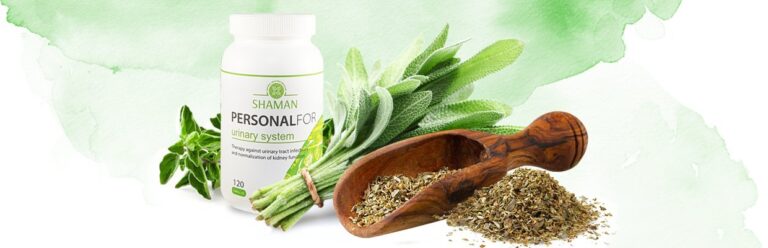
At the Shaman clinic we have formulated a blend of seven medicinal herbs called UROCLEAN, which calms symptoms within two hours and eliminates the bacteria without harming the mucous layer of the bladder.
There are also other alternative treatments, such as cranberries and berries (read the article, Myths and cranberries), beer, a hot bath, heating, etc. But the therapeutic effect of these "traditional treatment methods" is statistically insignificant. Although some of these methods helped women 10 to 50 years ago, they have still not been researched enough, and sometimes using them is unsuitable and may even make things worse.
And it is very important to remember that a strong immune system is the condition for good health.
If you have questions or comments, or need advice, you can call or write to us and we will be happy to answer.