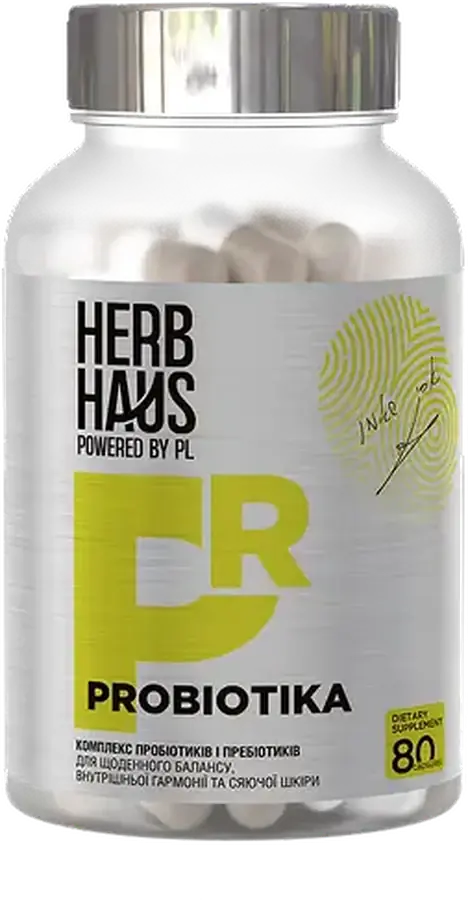

Lactobacillus rhamnosus is one of the most studied probiotic bacteria, especially the GG strain, which is studied in the context of diarrhea and digestive support.
What is this bacterium
Lactobacillus rhamnosus is a lactic acid bacterium. In 2020, following a genome-based reclassification of the genus Lactobacillus, its current scientific name is Lacticaseibacillus rhamnosus, although the old name is still common on products. The most studied strain is L. rhamnosus GG (LGG), which adheres well to intestinal mucus thanks to tiny hairs (pili) on the cell surface, and may persist in the gut for at least a week after intake in adults.
How it works
According to a 2022 review, LGG acts as an immune system modulator and as an antimicrobial agent, and supports the growth and renewal of intestinal cells. In mouse studies, a protein derived from LGG inhibited the adhesion of E. coli to the intestine.
What the research says
The review identified 22 areas in which LGG has been studied, but noted that strong evidence is lacking in many of them, due to small studies and the use of multi-strain preparations. A possible benefit was found in treating diarrhea associated with antibiotics and with cancer treatments, and in preventing allergies. In newborns and infants, LGG was found in stool up to two weeks after intake, without harming the normal development of gut bacteria. In the context of women's health, a trial in postmenopausal women showed that LGG colonizes the gut well but the vagina very little, and the results for preventing recurrent urinary tract infections are mixed. According to NCCIH, the effects of probiotics are strain dependent.
Safety
- Lactobacillus and Bifidobacterium bacteria are generally recognized as safe (GRAS) by the US FDA.
- Cases of bloodstream infection have been reported, mainly in immunosuppressed children, as well as cases of endocarditis in adults with a heart defect. There is also an increased risk in critically ill patients and in people with a central catheter.
- In pregnancy and breastfeeding, reviews found only mild side effects, but consulting a doctor is recommended.
- Taking it at the same time as antibiotics may reduce the bacterium's effectiveness, and in combination with diabetes medications there is a minor warning due to concern about low blood sugar.
Sources
Formulas with this plant