
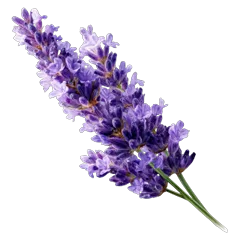
Lavender is a fragrant shrub of the mint family whose flowers are traditionally used to relieve mild stress and support sleep.
What is this plant
True lavender (Lavandula angustifolia) is a fragrant evergreen subshrub of the mint family, native to the Mediterranean region. Its name comes from the Latin word lavare, "to wash", and it is widely used in bath products, perfumes and aromatherapy.
Parts used
The flowers and flowering tops are used, as well as the essential oil extracted from them. Preparations are taken by mouth (tea, tincture, oil capsules), used for inhalation in aromatherapy or applied to the skin.
Traditional use
Lavender has traditionally been used to improve mood and as a sleep aid. The Committee on Herbal Medicinal Products of the European Medicines Agency (EMA/HMPC) has recognized lavender flowers as a traditional herbal medicinal product for the relief of mild symptoms of mental stress and exhaustion and to aid sleep, based on long-standing use alone, for adults and adolescents over 12.
What the research says
According to NCCIH, the research is limited and more high-quality studies are needed. Some studies suggest that a lavender oil preparation taken by mouth may help with anxiety, but the studies are relatively small. Preliminary findings on depressive symptoms are tentative only. As for aromatherapy, it is unclear whether it helps with anxiety, pain or sleep. According to MSKCC, meta-analyses point to a possible benefit for anxiety, and aromatherapy studies suggest possible help with preoperative anxiety and sleep quality.
Keep in mind that depression and anxiety are conditions that require assessment by a professional, and lavender preparations are not a substitute for medical treatment.
Safety and interactions
- Possible side effects when taken by mouth: nausea, belching, diarrhea and headache.
- Use on the skin may cause an allergic reaction. Isolated cases of breast tissue development in children after repeated exposure to lavender products have been reported, which resolved when use stopped, although it is unclear whether lavender was the cause.
- Lavender may increase the effect of sedatives and sleeping medications and of central nervous system depressants.
- According to EMA, safety in pregnancy and breastfeeding has not been established, so use is not recommended during these periods; the preparation may impair the ability to drive.
- According to MSKCC, because of weak hormonal activity, prolonged use should be avoided by people dealing with hormone-sensitive cancer.
Sources
Formulas with this plant