
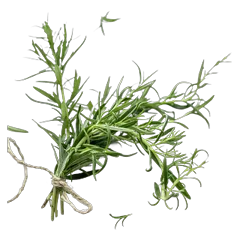
Thyme is an aromatic shrub of the mint family whose leaves and flowers are recognized in Europe as a traditional remedy for relieving productive cough associated with colds.
What is this plant
Thyme (Thymus vulgaris) is an evergreen subshrub of the mint family (Lamiaceae). It is native to southern Europe, from the western Mediterranean to southern Italy. It grows to about 15 to 30 cm tall, with small, very fragrant, grayish-green leaves, and purple or pink flowers that bloom in early summer. The plant's essential oil contains thymol, an aromatic compound that has been widely studied.
Parts used
The leaves and flowers, dried and chopped, as pressed juice or as a dry or liquid extract. Preparations are usually taken as tea or in liquid or solid form by mouth.
Traditional use
Thyme has been used for generations as a spice and as a medicinal herb, mainly for the respiratory system. The European Medicines Agency (EMA) has recognized it as a traditional use for relieving "wet" cough (with phlegm) associated with colds. This recognition is based on at least 30 years of safe use, not on sufficient clinical evidence for the plant alone.
What the research says
- Acute bronchitis: In a double-blind, placebo-controlled trial in 361 patients with acute bronchitis and productive cough, a syrup combining thyme and ivy leaves reduced the frequency of coughing fits by 68.7% compared with 47.6% with placebo, and a 50% reduction in cough was reached about two days earlier, with no difference in side effects between the groups. It is important to note that this was a combination of herbs and not thyme alone.
- Antibacterial activity: In laboratory studies, thyme oil and thymol showed antibacterial activity, but these findings do not prove a clinical effect in the body.
Safety and interactions
- Do not use in case of allergy to thyme or to other plants of the mint family.
- Possible side effect: stomach discomfort.
- Most preparations are intended for adults and adolescents over 12. If symptoms last more than a week or get worse, see a doctor.
- Regarding pregnancy and breastfeeding and use alongside medications, it is advisable to consult a doctor or pharmacist.
Formulas with this plant