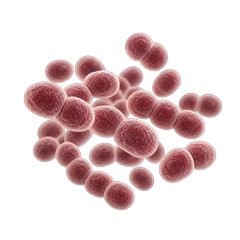
Lactococcus lactis is a lactic acid bacterium used in cheese making, and a specific strain of it has been studied in the context of the immune system and cold symptoms.
What is this bacterium
Lactococcus lactis is a gram-positive, spherical bacterium (coccus) that arranges itself in pairs or short chains. It does not form spores and produces lactic acid from sugars. It is classified as "generally recognized as safe" (GRAS) thanks to its long history in the food industry, and only isolated cases in which it caused infection have been reported.
Where it is found
The bacterium is isolated mainly from dairy environments and plant material. It is thought that the dairy strains evolved from plant strains. It is essential in making cheeses such as cheddar, camembert, brie and parmesan, and is also used in making kefir, pickled vegetables and other fermented foods.
Use and background
Because it is a non-invasive and non-pathogenic bacterium, it is also used in biotechnological research as a "delivery system" for therapeutic proteins. As with all probiotics, the effects depend on the specific strain.
What the research says
- Immune system and colds: The most studied strain is L. lactis strain Plasma (JCM 5805). A 2025 meta-analysis of participant data from eight controlled trials found activation of plasmacytoid dendritic cells (immune cells involved in the antiviral response), and fewer days of cough and feverishness. No significant effect was found on sore throat or runny nose.
- Quality of evidence: The researchers rated the certainty regarding cold symptoms as low. All the studies included researchers from the manufacturing company, and the meta-analysis was funded by it.
- For other strains of L. lactis, most findings come from laboratory studies. For example, in a 2024 study, strains isolated from whey cultures survived well at pH 3 but not at pH 2, and in intestinal cell cultures they reduced the adhesion of E. coli and Salmonella. Such findings do not prove an effect in the human body, and human trials are lacking.
Safety
- The bacterium has been consumed for generations in fermented dairy products and is considered safe for use in food.
- According to NCCIH, people with serious illness, a weakened immune system and premature infants are at higher risk of infection from probiotics, and should consult a doctor before use.
Formulas with this plant