
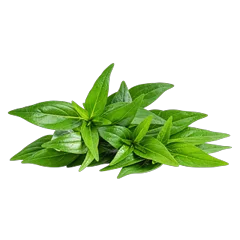
Andrographis is a bitter plant in the acanthus family, used in traditional Asian medicine for infections and fever and studied mainly in the context of the common cold.
What is the plant
Andrographis (Andrographis paniculata) is an annual herb in the acanthus family (Acanthaceae). It is native to India and Sri Lanka and is now cultivated throughout South and Southeast Asia. The plant grows about 30 to 110 cm tall, with a dark green, square stem, elongated lance-shaped leaves and small pink flowers. In India it is called Kalmegh, in Chinese chuan xin lian, and in English the "king of bitters" because of its very bitter taste.
Plant parts used
Mainly the leaves and roots, and sometimes the whole plant. Among the components studied in the plant are the andrographolides.
Traditional use
In traditional Asian medicine, including Ayurveda and Indian Siddha medicine, the plant was usually used in combination with other herbs to treat infectious diseases and fever. In folk medicine it was also used to treat snakebites. It is important to note that some traditional uses have not been studied in depth.
What the research says
- Colds and upper respiratory tract infections: preliminary evidence. Most studies were done on a standardized extract combined with eleuthero (Kan Jang) and were partly funded by the manufacturer. A 2017 meta-analysis of 33 trials (about 7,175 participants) found improvement in cough and sore throat and a shorter duration of symptoms, with mild side effects, mainly digestive. However, the researchers rated the overall quality of the studies as low.
- Ulcerative colitis: in one study, high doses produced a better clinical response than placebo, and in another study the extract was found to be about as effective as the drug mesalamine.
- Other areas: small, early studies have looked at rheumatoid arthritis and triglycerides. On cancer, there are only laboratory and animal studies.
Overall, the level of evidence is limited and based on a relatively small number of studies.
Safety and interactions
- Reported side effects: headache, fatigue, dizziness, rash, nausea, diarrhea and altered taste. Allergic reactions have also been reported, and in rare cases a severe allergic reaction (anaphylaxis).
- May add to the effect of blood pressure lowering drugs.
- Caution is advised in combination with anticoagulants and antiplatelet drugs, and there may be effects on drug metabolism in the liver (CYP450 enzymes).
- The plant's antioxidants may interfere with some chemotherapy treatments.
- Information on safety during pregnancy and breastfeeding is limited, so it is advisable to consult a doctor before use.
Formulas with this plant