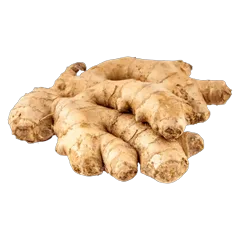
A tropical plant from Asia whose rhizome is used as a spice and medicinal herb, mainly to relieve nausea, for digestion and for menstrual pain.
What is this plant
Ginger (Zingiber officinale) is a perennial plant of the ginger family (Zingiberaceae), native to the warm regions of Asia. Today it is also grown in South America, Africa and the Middle East, and is used worldwide both as food and as a medicinal herb.
Parts used
The rhizome (the underground stem) is used, fresh, dried, ground into powder or as an extract.
Traditional use
In folk medicine, ginger was used for asthma, flu, indigestion and stomach discomfort. In traditional Chinese medicine it is used for conditions of "cold", "wind" and "dampness". The European Medicines Agency (EMA) recognizes it:
- As a well-established use for preventing nausea and vomiting in motion sickness, based on clinical studies.
- As a traditional use for mild digestive complaints such as bloating and gas, temporary loss of appetite, mild joint pain and cold symptoms.
What the research says
According to NCCIH:
- Nausea in pregnancy: Studies suggest that ginger may help.
- Menstrual pain: Ginger supplements may reduce its intensity.
- Knee osteoarthritis: There may be a slight improvement in symptoms, but most studies are of low quality.
- Nausea after chemotherapy or surgery: It is unclear whether there is an added benefit beyond standard treatment.
- Motion sickness: Most studies have not shown a benefit, despite the European recognition.
Laboratory and animal studies point to anti-inflammatory activity, but this has not been confirmed in humans.
Safety and interactions
- Ginger was found to be safe in most studies. Possible effects: heartburn, stomach discomfort, diarrhea and irritation of the mouth and throat.
- Ginger may affect platelet aggregation, so supplements may increase the risk of bleeding with blood thinners and with anti-inflammatory drugs. According to MSKCC, it is advisable to avoid supplements around surgery.
- There may be effects on diabetes medications. Normal food amounts are not a cause for concern.
- During pregnancy, consult a doctor before taking a supplement, and the EMA does not recommend the preparations during pregnancy, breastfeeding or under age 18.