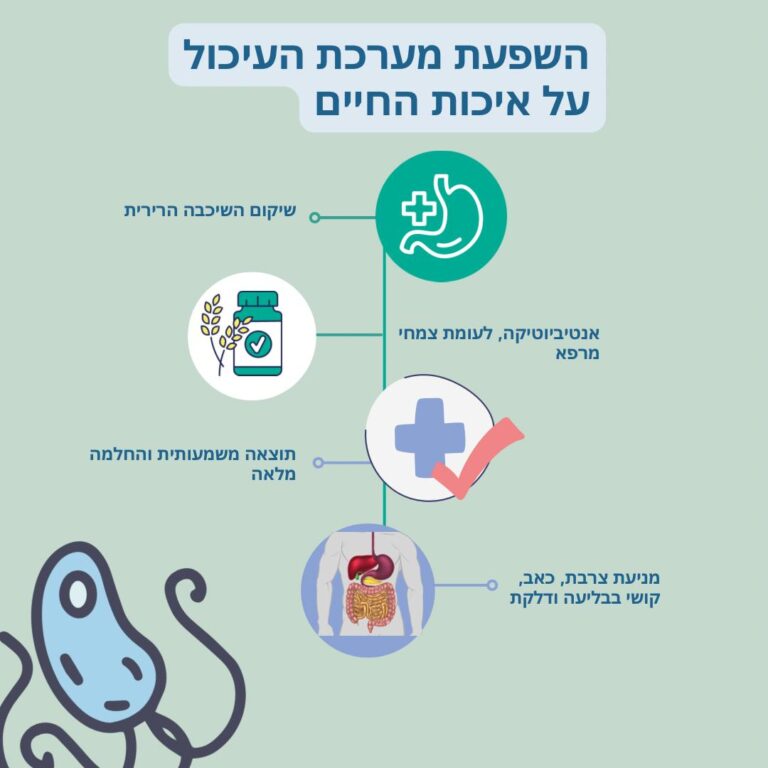



Our bodies host a wide variety of fungi that live, feed and take part in various processes, mainly in the digestive system. Candida is one of the fungi that live in small amounts in the mucous tissue of the mouth, the vagina, the digestive system and the urinary tract. It is a cunning microorganism that lives and develops in our bodies for years, but is held back and restricted by the immune system, enzymes and good gut bacteria. However, certain factors sometimes allow it to multiply excessively, which may cause a wide range of diseases.
It is extremely important to identify an imbalance in the growth of the fungus at an early stage, so that it is possible to prevent the symptoms and related diseases from getting worse and to avoid aggressive treatment. Below we describe the symptoms and the treatment of the four more common types of Candida infection.

Urinary tract infections
Besides bacterial infection of the bladder, Candida is another common cause of urinary tract inflammation. Candida usually settles in the lower part of the urinary system, but it may climb up to the kidneys.
- Frequent urination;
- Discomfort, pain or a burning sensation when urinating;
- Pain in the lower abdomen or pelvis;
- Chills;
- Blood in the urine.

Genital infection
More than 90% of vaginal infections are caused by Candida albicans. The presence of Lactobacillus bacteria in the mucosa balances the amount of Candida in the genital area. Infection occurs when this balance is disrupted. A vaginal infection may spread through sexual contact, but it can apparently also occur without sexual contact, due to bacterial imbalance and changes in acidity.
- Burning during intercourse or urination;
- Itching or pain in or around the vagina;
- Redness, irritation or swelling around the vagina;
- Watery or white discharge;
- A rash around the vagina;
- A rash on the penis.

Oral thrush
Although Candida albicans is always present in the mucosa of the mouth, in large amounts it causes infection of the mouth and throat and may even settle on the tonsils. Candida can cause conditions such as tonsillitis, pharyngitis and other diseases.
- White patches in the mouth, on the tongue and in the throat;
- A burning sensation and pain in the mouth;
- Redness in the mouth or at the corners of the lips;
- Pain when swallowing;
- Loss of the sense of taste;
- A rough, dry feeling in the mouth.

Skin infection
The most common symptom caused by Candida is a red, itchy skin rash. As it worsens, blisters will form. On the skin this appears as dry areas with constant irritation.

Factors that contribute to Candida overgrowth
Diet. An unbalanced diet high in sugar, yeast (baked goods), fermented products, beer, wine and alcohol in general, pickled and processed products such as sauces and mayonnaise.
Antibiotics.Antibiotic treatment disrupts the balance and the number of good bacteria, and in such an environment, stronger organisms (Candida, Helicobacter) spread quickly.
Stress.Stress and anxiety cause increased secretion of cortisone and sugar, which allows some bacteria and fungi to multiply.
Lack of physical activity leads to slower metabolic processes and leads to weight gain or loss and many other problems.
Birth control pills. Estrogen increases the growth of the fungus.
Diabetes.
A weak immune system.

Which foods are recommended to protect against Candida overgrowth?
Changing your diet is one of the most important elements in fighting Candida. With medication but without a change in diet, Candida will multiply again.
Coconut oil: Contains caprylic acid, which reduces the growth of the fungus.
Olive oil: The antioxidants in olive oil help the body get rid of Candida.
Garlic: Contains allicin, a sulfur-containing compound with antifungal properties.
Cinnamon: Contains active, antifungal and anti-inflammatory substances.
Apple cider vinegar: This is the only vinegar recommended for use during treatment.
Lemon: Antifungal and cleanses the liver.
Ginger: Anti-inflammatory and antifungal, and it also supports your liver.
Cruciferous vegetables: Broccoli, radishes, sprouts, cabbage, etc. They contain sulfur and nitrogen, which support the elimination of Candida.
Wild salmon: Thanks to the omega 3 fatty acid, which keeps the fatty acids in balance, the fight against fungal infections is easier.